
The Four Tendencies
September 2023
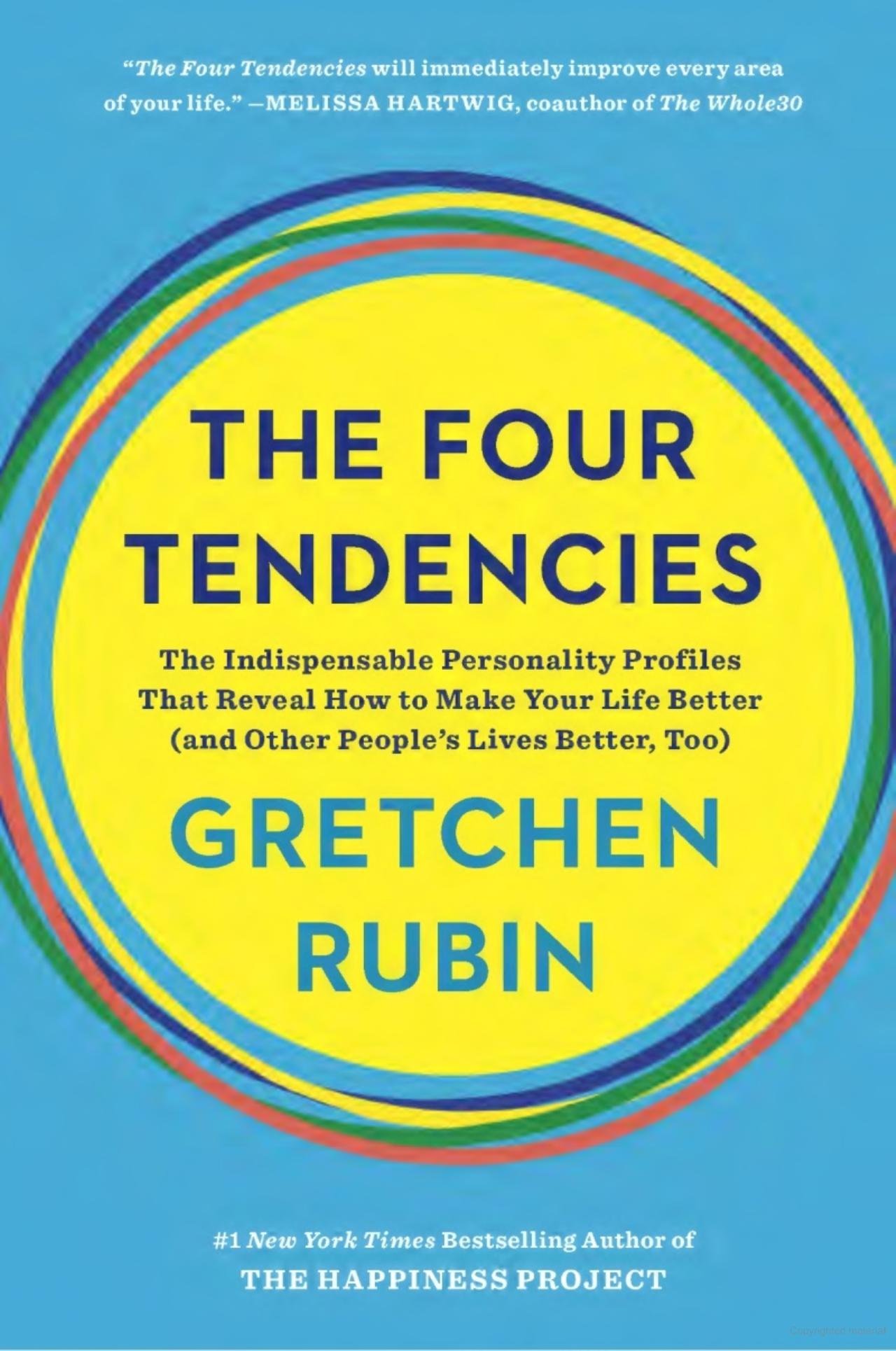
Discussion of "The Four Tendencies" by Gretchen Rubin
Link to 5 min author's overview video
Quick Four Tendencies Quiz
Details: While investigating human nature for her previous books (The Happiness Project, Happier at Home, Better than Before,...), Gretchen Rubin realized that by asking the simple question “How do I respond to expectations?” we can gain tremendous self-knowledge. She discovered that people fit into Four Tendencies: Upholders, Questioners, Obligers, and Rebels. Our "Tendency" explains why we act and why we don't act, and the framework centers on how we respond to outer and inner expectations - i.e. the expectations of ourselves and those of others. She outlines how understanding this framework lets us make better decisions, meet deadlines, suffer less stress and burnout, and engage more effectively.
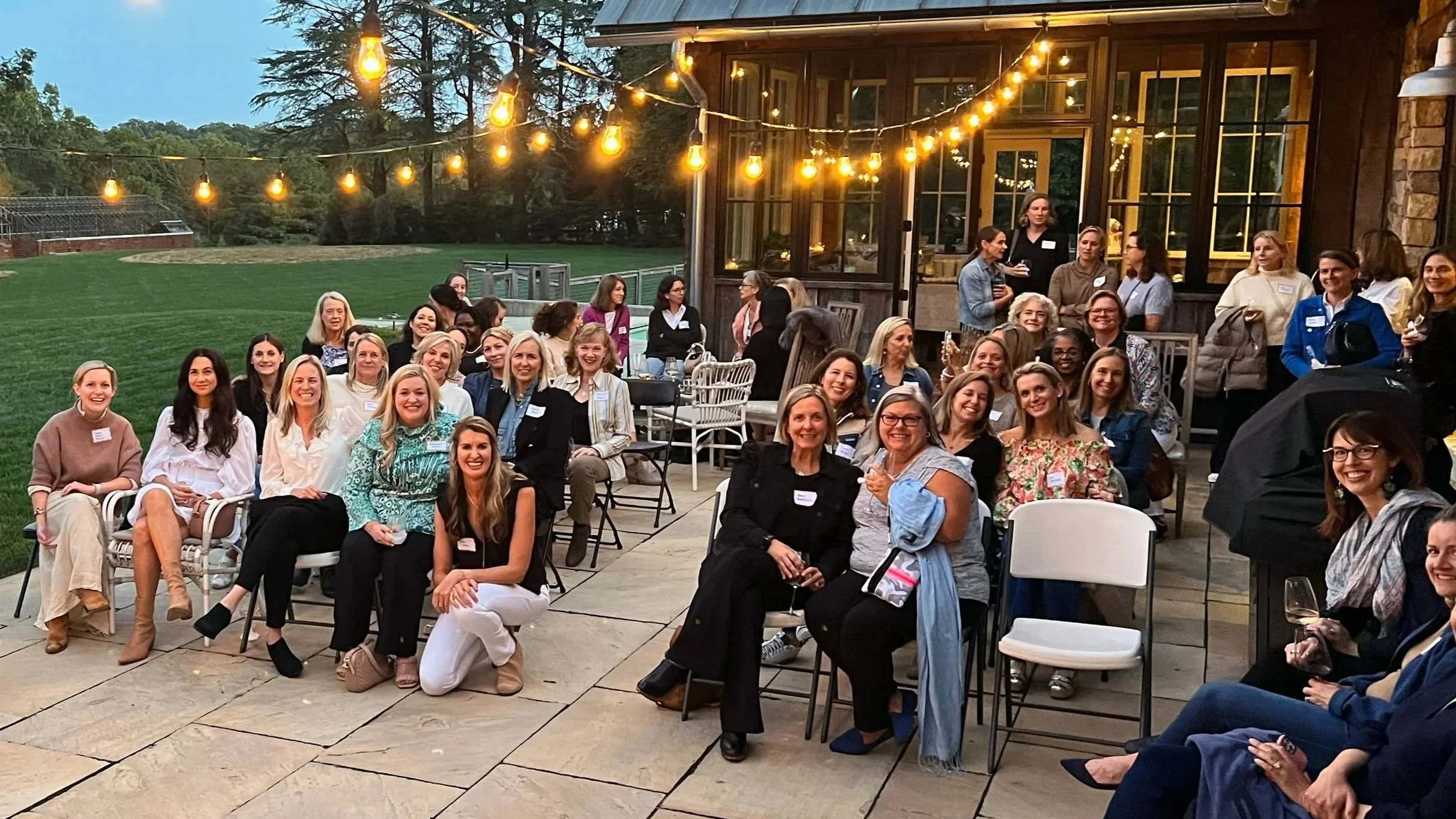
This was one of the most fun WonderWomen events in recent history - we divided into small groups by “tendency” and shared themes together at the end. Notes from our evening together ….
Obligers (41% of population and about 60% of women who attended the event)
The struggle for these folks is the constant pleasing/attending to others needs. Leaves us burned out, can leave us resentful. We discussed being there for others and often feeling that others don't do the same for us. Is this because we don't allow them to be? Do we pretend to be fine? Do we focus on other's needs so much that it appears we don't have any? One attendee carpools a friend's child to/from an entirely different school. Would a non-Obliger do this so willingly? We are always the ones putting the toilet paper on the roll. Some spouses of Obligers don't even know where tissue boxes are stored - why? Obliger is always on it. Do we then enable our family members and colleagues? Are we part of the problem we then resent? We do much better with accountability - work/habits/exercise/you name it. One professor said she realized she was not getting to one project because it was hers alone - so basically she was doing only projects of everyone else's. Once she had accountability from a colleague she could finally find the time for it. We feel the frustration of our tendency more than others feel it. We need folks to help us not take on too much. Otherwise we will hit "Obliger Rebellion" and do things out of character - say "no" all of the sudden, become filled with rage - this was a term one group identified with! Which is entirely out of character for us most of the time. We have pride in being helpful, though.
Questioners
Rarely swayed by peer pressure as kids - I mean why would others have such a profound impact? Questioners have already thought things through and made their own decisions. They have considered all sides and made up their own minds. Can be hard to parent.
Questioner teenager - they have a reason for everything they are doing and are happy to tell you their "why". Questioners have a weird hatred of waiting in line, love things to be efficient, love data/spreadsheets/info/often source of knowledge for others. Love understanding issues in great depth. When they make up their minds about the right course of action, they follow through without much difficulty. From the book "They have the self-direction of Upholders, the reliability of Obligers, and the authenticity of Rebels." They can be puzzled by others' willingness to act without sound reasons.They love making up their own minds, even when given “expert” advice. Some experience "analysis-paralysis" (about half of the questioner attendees experience some form of this.) Questioner kids can find it hard to complete what they feel is unnecessary busywork and they may act in ways that make them look uncooperative. In general, most Questioners are content with their tendency - interestingly they often don't see all of their questioning as a pattern but as a typical response to the world.
Upholders
Upholders respond readily to outer and inner expectations - they love checking things off a list and getting things done. People tell them they are too hard on themselves, but they actually love a consistent routine and setting high expectations and standards for themselves. If you work with or live with an upholder - know they don’t need a lot of scrutiny or supervision. They often find the person they can rely on most in this world is often themselves. They can struggle with non-Upholders (especially Rebels and Questioners) who do not care as much about external expectations. This can be especially true in work environments but also in home life since Upholders are so reliable/consistent/accountable.They think "why is it so hard for others to meet expectations?" Some Upholder attendees found some validation hearing that other Upholders exhibit the "tightening" instinct - i.e. that they get even more strict/routine-oriented under stress and it can become harder and harder for them to make an exception, take a break, or lighten up. Such validation hearing you are not alone.
Rebels
Rarest of the 4 types. (To hear the Rebel's summary, for me, as an Obliger, it was like hearing the inner dialogue of someone from Mars and at the same time it made me incredibly jealous. It sounds very freeing to be a Rebel. I wish I had a better way to describe my response, but there you have it.) Rebels resist both inner and outer expectations and are motivated by present desire. They do what they WANT to do. This can mean making incredible grades or playing a D1 sport or whatever the goal, but they must WANT it. They are doing it for no one else. Many experience "Rebel resistance" and want to do the opposite of what someone tells them to do. A great way to make them go out in college, tell them they should not go out. They are eager to break with “how things have always been done” and experiment. They are very authentic, they are very much in touch with what they want. They live very much in the present. There is power and paradox in the Rebel tendency - they do not like to be controlled (understatement) but they very much like being in control - they are often leaders/happy to tell others what needs to be done. They are very motivated by freedom and choice. Rebel always wants to think “This is my idea” and they respond best to a sequence of information, consequences, and choice. It’s best to always allow them to choose – with no lecturing, hovering, micromanaging or rescue. Some Rebels ironically surround themselves with structure because they either know they need it or they love to war against it. They love a deep sense of purpose. They like finding something big enough to deserve all their energy and devotion.